9 Landlord Tips to Have Better Relationships with Your North Carolina Tenants
Key Takeaways:
- Clear expectations and consistent policies from the start help prevent disputes and create a fair rental environment.
- Professional, timely communication builds trust and encourages tenant cooperation.
- Prompt maintenance and respect for tenant privacy are essential for a positive living experience.
- Retaining good tenants through responsiveness and fairness reduces turnover and improves long-term property performance.
A strong landlord-resident relationship is one of the most important factors in running a successful rental property. When communication is clear and expectations are consistent, daily operations become smoother and issues are easier to manage.
In North Carolina, where rental demand remains steady across many areas, maintaining good relationships can also lead to longer tenancies and fewer vacancies.
Building that relationship does not happen by accident. It requires a consistent approach, clear processes, and a willingness to handle concerns professionally.
The following tips from the experts at Dawson Property Management focus on practical ways landlords can improve communication, reduce misunderstandings, and create a more stable rental experience.
1. Set Clear Expectations from the Beginning
The relationship starts before the lease is signed. Residents should understand what is expected of them from the beginning, including rent payment schedules, maintenance procedures, and property rules.
A clear lease agreement and a structured move-in process help eliminate confusion. When expectations are defined early, it reduces the chances of disputes later in the lease. Consistency is key. When policies are applied the same way for all residents, it creates a fair and predictable environment.
2. Communicate in a Professional and Consistent Manner
Communication should always be clear, respectful, and timely. Residents need to know how to reach you and what kind of response they can expect.

Whether it is answering questions, addressing concerns, or providing updates, consistency builds trust. Evidence shows that when residents feel that their concerns are taken seriously, they are more likely to cooperate and follow lease terms.
Professional communication also helps prevent small misunderstandings from becoming larger issues.
3. Respond to Maintenance Requests Promptly
Maintenance is one of the most common points of interaction between landlords and residents. How these requests are handled can shape the overall relationship. Responding quickly shows that the property is being managed responsibly. Even if a repair cannot be completed immediately, acknowledging the request and providing updates helps manage expectations. Prompt maintenance also prevents minor issues from turning into more expensive problems.
4. Respect Resident Privacy
While landlords have the right to access the property for inspections or repairs, it is important to respect the resident’s space.
Providing proper notice before entering the unit and scheduling visits at reasonable times helps maintain a professional relationship. Residents who feel their privacy is respected are more likely to cooperate when access is needed. Respect for privacy and personal space is a key part of maintaining trust.
5. Keep the Property Well-Maintained
The condition of the property reflects how it is managed. A well-maintained home creates a more positive living environment and reduces frustration.
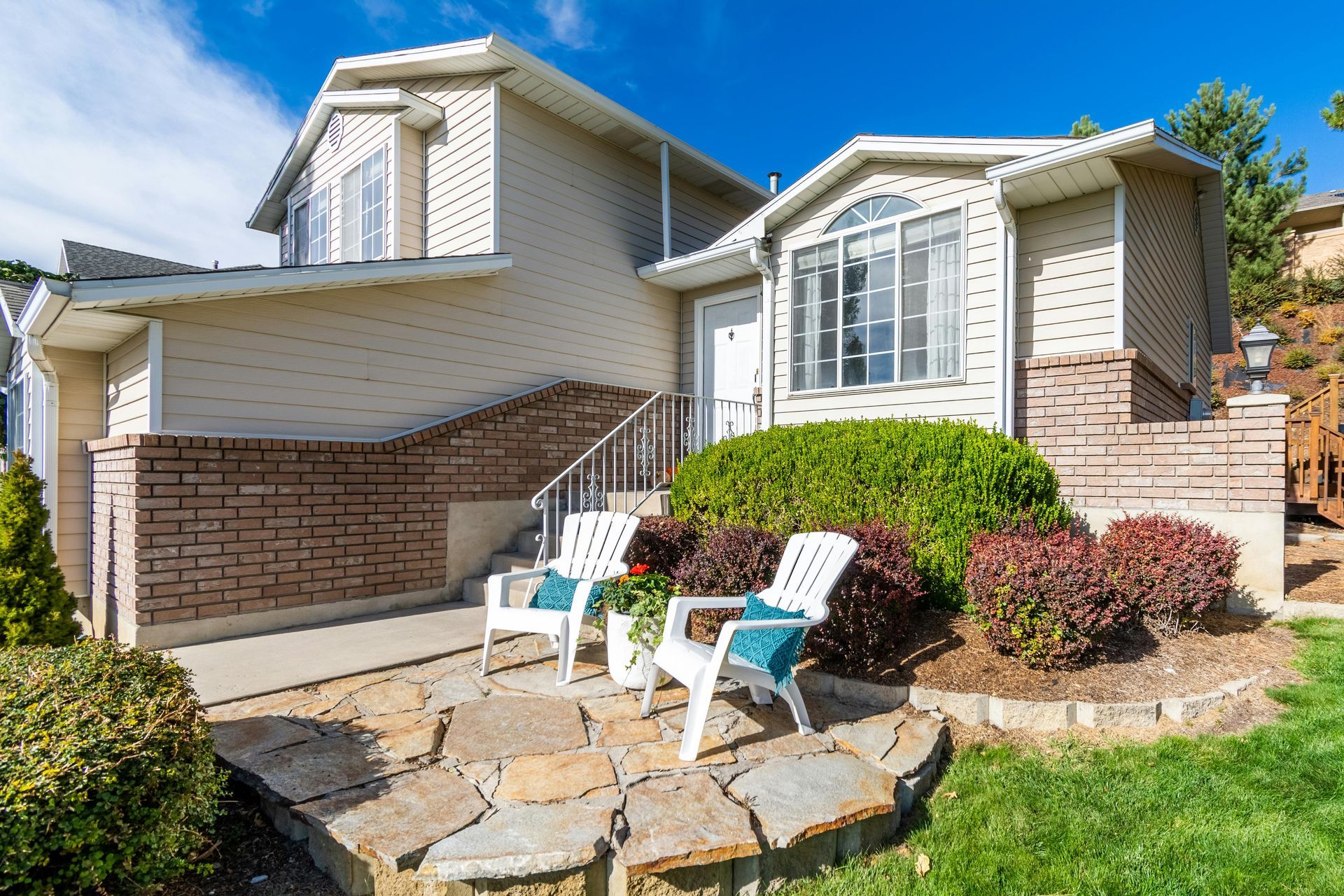
Routine inspections, preventative maintenance, and timely repairs all contribute to a better experience for residents. When the property is in good condition, residents are more likely to take care of it and remain long-term. Maintenance is not just about the building, it is about supporting the overall rental experience.
6. Be Fair and Consistent with Policies
Applying rules inconsistently can lead to confusion and frustration. Residents expect policies to be enforced fairly across all tenants and inconsistency can be interpreted as discrimination and land you in legal trouble.
Whether it involves rent payments, late fees, or property rules, consistency helps create a structured environment. It also reduces the risk of disputes because expectations remain the same for everyone. Clear and consistent enforcement supports a more professional relationship, so it’s important to set expectations clearly from the start.
7. Encourage Open Communication
Residents should feel comfortable reaching out with questions or concerns. Creating an environment where communication is encouraged helps identify issues early.
Providing clear channels for communication, such as email or a resident portal, makes it easier for residents to stay in touch. When communication flows both ways, problems can be addressed before they escalate. Open communication supports long-term stability in the rental.
8. Handle Conflicts Calmly and Professionally
Disagreements can happen in any rental situation. The way they are handled determines whether the relationship improves or deteriorates.

Approaching conflicts with a calm and professional attitude helps resolve issues more effectively. Focus on the facts, refer to the lease agreement, and work toward a practical solution.
Maintaining professionalism during disagreements helps preserve the relationship and avoid unnecessary escalation.
9. Recognize and Retain Good Residents
Reliable residents who pay on time and follow the lease contribute to the success of the property. Retaining them should be a priority, and the methods to retain tenants are quite clear.
Simple actions, such as addressing concerns promptly or offering a smooth renewal process, can encourage residents to stay longer. Reducing turnover saves time and money while maintaining consistent rental income. Recognizing the value of good residents helps build long-term stability.
Bonus Tip: Documentation and Record-keeping Matter
Keeping accurate records is an often overlooked part of maintaining good landlord-resident relationships. Documentation creates clarity, supports consistency, and protects both parties if questions or disputes arise.
Important records include lease agreements, maintenance requests, inspection reports, communication logs, and payment history. When everything is documented properly, it becomes easier to reference past decisions and ensure policies are applied fairly.
Clear documentation also helps avoid misunderstandings. If a resident raises a concern about repairs, payments, or lease terms, having a record allows you to respond with accurate information instead of relying on memory.
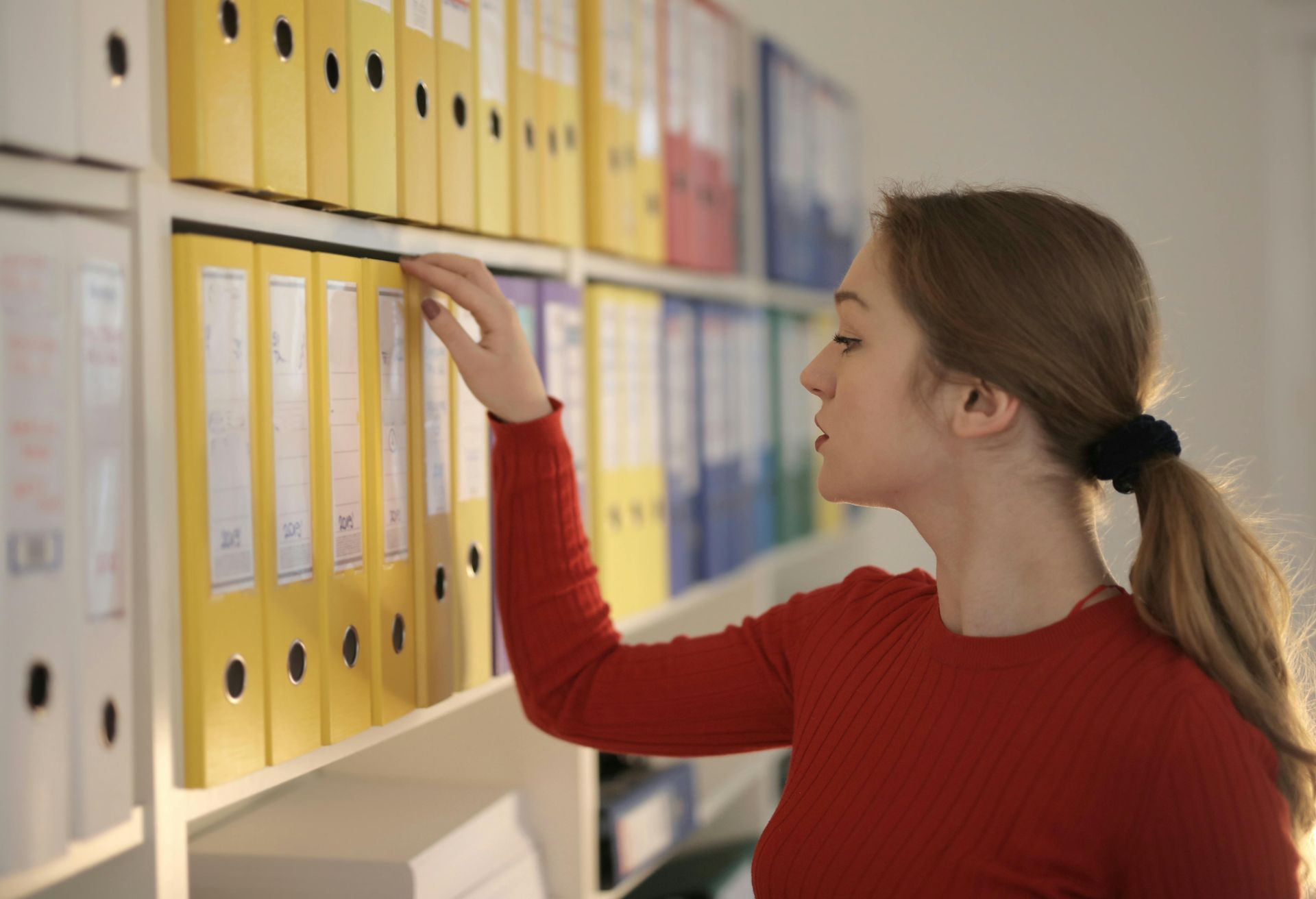
Organized records also support long-term property management. They provide insight into recurring maintenance issues, resident behavior patterns, and overall property performance, which helps landlords make better decisions moving forward.
The Bottom Line
Strong landlord-resident relationships are built on clear expectations, consistent communication, and reliable property management.
When residents feel respected and supported, they are more likely to follow lease terms and remain in the property long-term.
By focusing on professionalism, fairness, and responsiveness, landlords can create a more positive rental experience that benefits both parties.
Over time, these efforts lead to fewer disputes, lower turnover, and stronger overall performance for the property.
Working with Dawson Property Management helps property owners in North Carolina maintain strong resident relationships through structured systems and clear communication processes.
From handling maintenance requests to managing lease agreements and renewals, professional management ensures that expectations are consistently met.
With a reliable management approach, property owners can reduce misunderstandings, improve resident satisfaction, and maintain more stable rental operations.
Share this post