What Maintenance Issues Are Emergencies And What Can Wait For Regular Business Hours?
Key Takeaways
- Set clear criteria for what qualifies as an emergency so you can prioritize safety risks and prevent avoidable property damage.
- Give tenants simple instructions for immediate situations such as active leaks, electrical hazards, or gas concerns without asking them to perform unsafe repairs.
- Keep routine maintenance requests on a normal service schedule when they do not threaten people, property, or essential systems.
- Document maintenance issues, repairs, and vendor work so you have a clear record of how property problems were identified and addressed.
Did that late-night phone call about a leaky faucet just ruin your evening, or is it actually a disaster waiting to happen? As a landlord, figuring out the line between a true maintenance emergency and a minor inconvenience is incredibly stressful.
You work hard to protect your rental property and keep your tenants safe, but you absolutely deserve some peace of mind when the sun goes down. Instead of playing the guessing game at midnight, let the experts at
Dawson Property Management take that heavy burden off your shoulders.
Critical Maintenance Emergencies That Demand Urgent Action
When a tenant calls in a panic, you need to know exactly when to drop everything and send a contractor immediately.
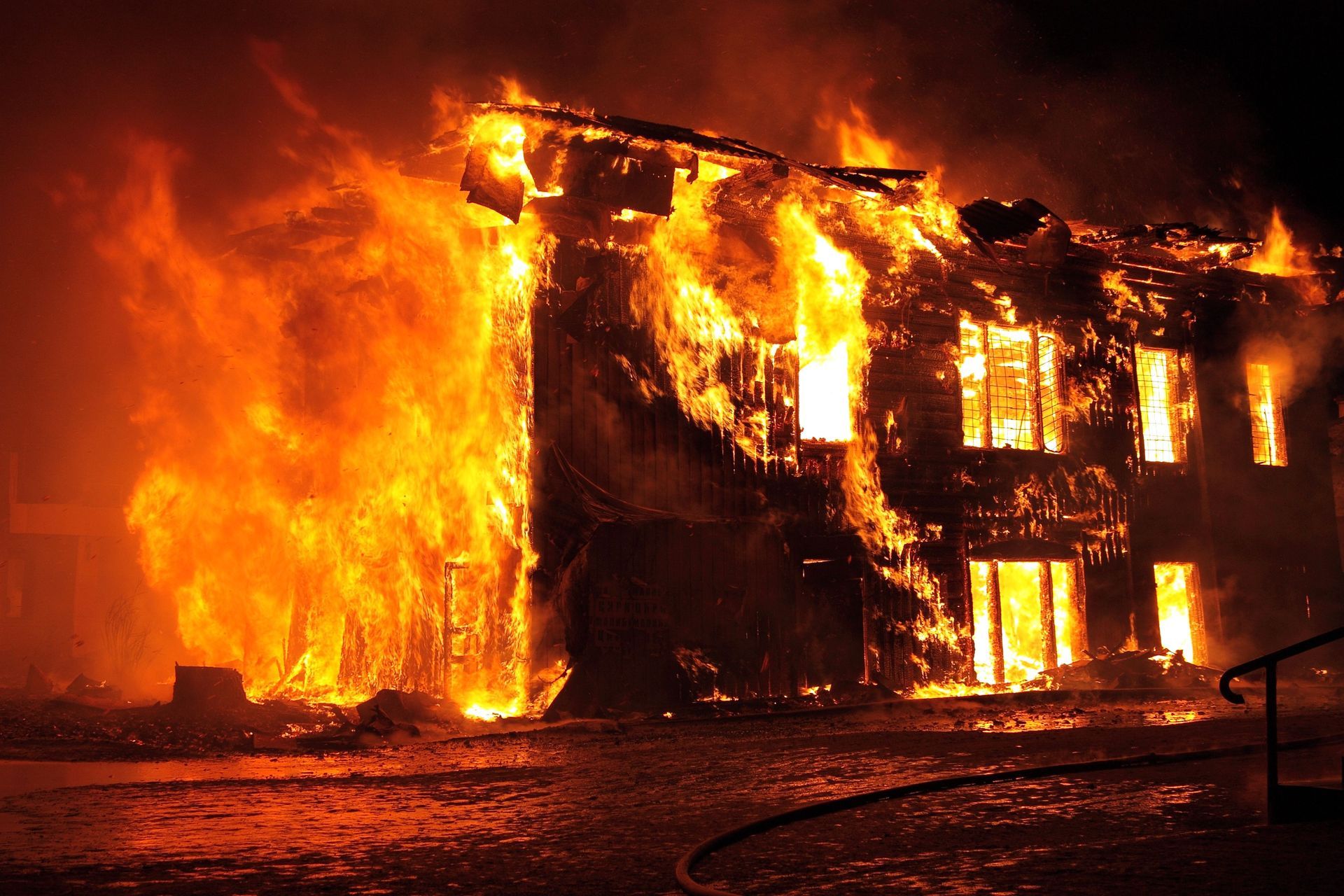
A true emergency threatens the health and safety of your tenants, or risks catastrophic, expensive damage to your property. You should never delay your response to these four critical situations.
Gas Leaks
A gas leak is among the most terrifying calls you can receive as a landlord. Natural gas buildup can lead to catastrophic explosions, or carbon monoxide can fill your rental, fatally poisoning your tenants in a matter of minutes.
When a tenant reports a rotten egg smell or a hissing sound near a gas appliance, you cannot afford to wait. Immediate action is essential to protect human life.
Your first step is instructing the tenant to evacuate the home immediately without flipping any light switches. Once they are safely outside, you must contact the local gas utility's emergency line right away.
The utility company will dispatch a crew to locate the leak, shut off the gas, and make the area safe before a licensed contractor handles repairs.
Burst Pipes or Major Flooding
A burst pipe ranks right at the top of financial nightmares for property owners. When a pipe fails, it can release hundreds of gallons of water per hour directly into your property.
In areas like Charlotte where winter temperatures fluctuate, this risk spikes significantly. Ignoring a gushing pipe guarantees ruined hardwood floors, destroyed drywall, and escalating repair bills.
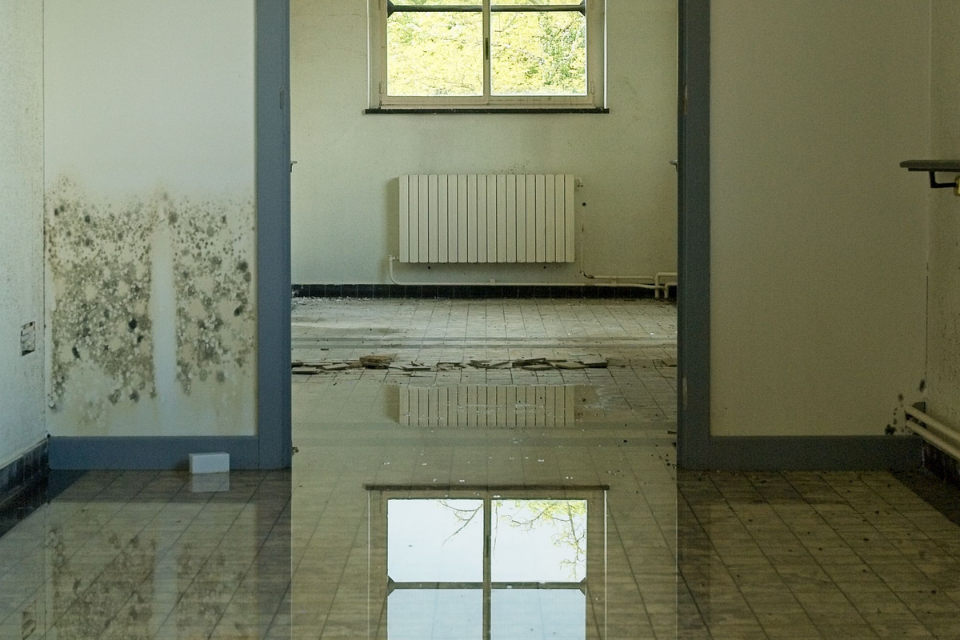
Guide the tenant to the main water shut-off valve immediately to stop the flow. Once the water is off, advise them to move valuables away from the wet areas if safe. You should then quickly send an emergency plumber to assess the water damage, replace the broken section, and start the water abatement process.
Electrical Sparking or Burning Smells:
Electrical issues are a leading cause of house fires, making sparking outlets or burning odors a massive liability. If a tenant notices a warm outlet plate, flickering lights, or actual sparks, the wiring is likely overheating.
Situations like this put your tenants at severe risk of electrocution or a fast-moving fire that could consume the building.
Tell the tenant to cut power to the affected room by flipping the correct breaker in the electrical panel. They should not touch the faulty outlet. You must then contact a licensed emergency electrician who can safely trace the fault, replace the compromised wiring, and ensure the system meets current safety codes before restoring power.
Total Heating Failure in Freezing Weather:
When temperatures drop below freezing, a completely dead heating system becomes a critical, life-threatening emergency.
Tenants face a real risk of
hypothermia, which opens you up to severe legal liabilities. Furthermore, the freezing indoor air will cause the water inside your plumbing system to freeze, expand, and burst its pipes, creating a secondary disaster that compounds the initial problem.
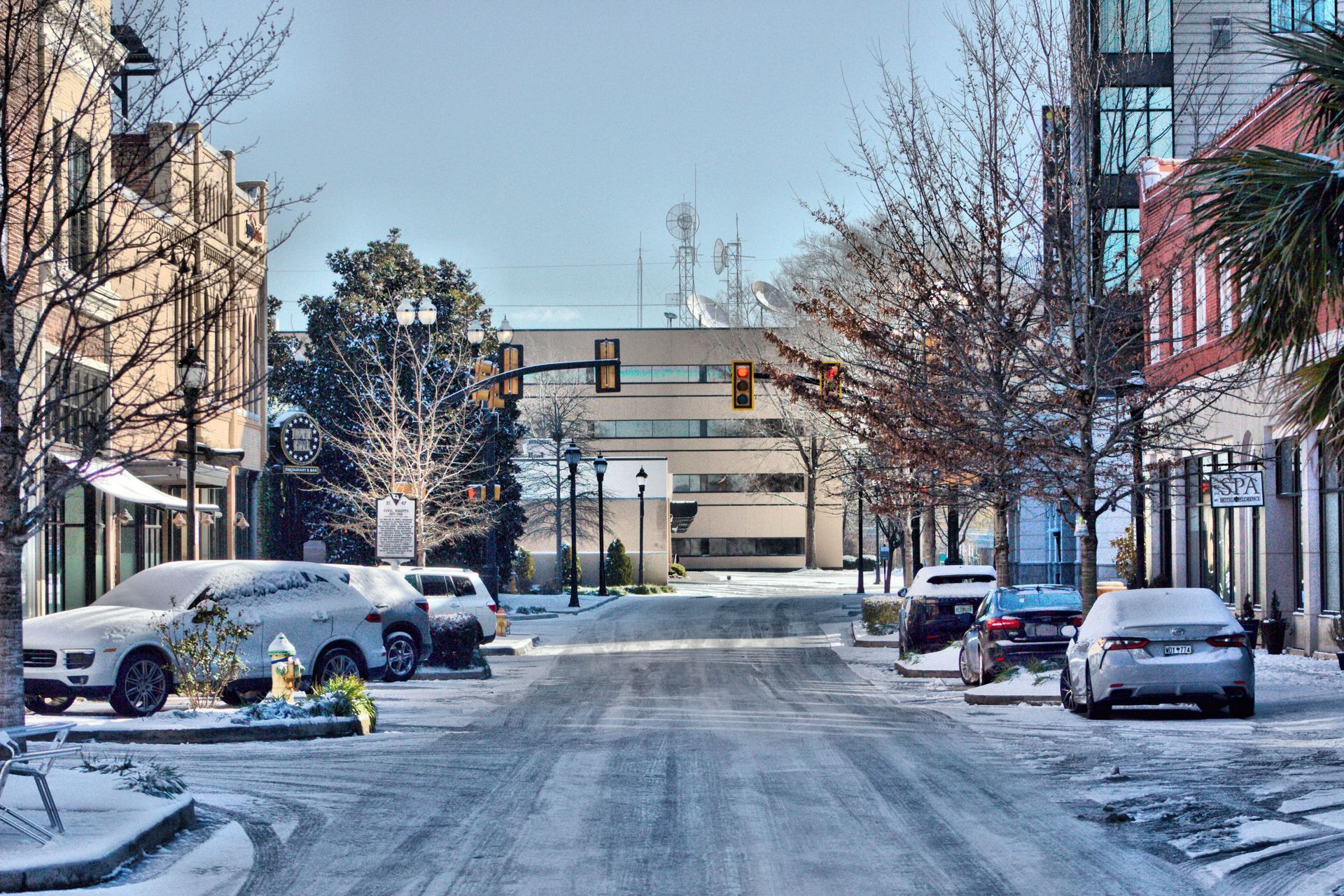
Start by checking if a simple thermostat reset resolves the issue. If the furnace remains unresponsive, you need an emergency HVAC technician on-site immediately.
They will diagnose the mechanical failure, replace broken components like the ignitor, and restore safe heating to the property before the interior pipes have a chance to freeze and burst.
Routine Issues That Can Safely Wait Until Morning
Being a smart, effective landlord is recognizing when a problem is simply an inconvenience rather than a crisis.
Handling non-emergencies during regular business hours saves you from paying expensive after-hours premiums and helps you run a more profitable business. You can comfortably address these four issues the next day.
A Dripping Faucet:
A dripping faucet is a classic example of a minor annoyance that tenants often report with extreme urgency.
While the persistent sound might disrupt their sleep, a slow leak does not threaten their safety or compromise your property's structure. It wastes a small amount of water, but it is not a nighttime crisis.
You simply need to acknowledge the request and schedule a routine visit from a plumber during normal hours. In the meantime, advise the tenant to use the shut-off valves under the sink to stop the drip until the washer can be replaced the next day.
A Broken Dishwasher:
A malfunctioning dishwasher usually prompts an immediate call because it disrupts daily routines, but it is only an emergency in highly specific situations, such as potential water contact in your electrical systems.
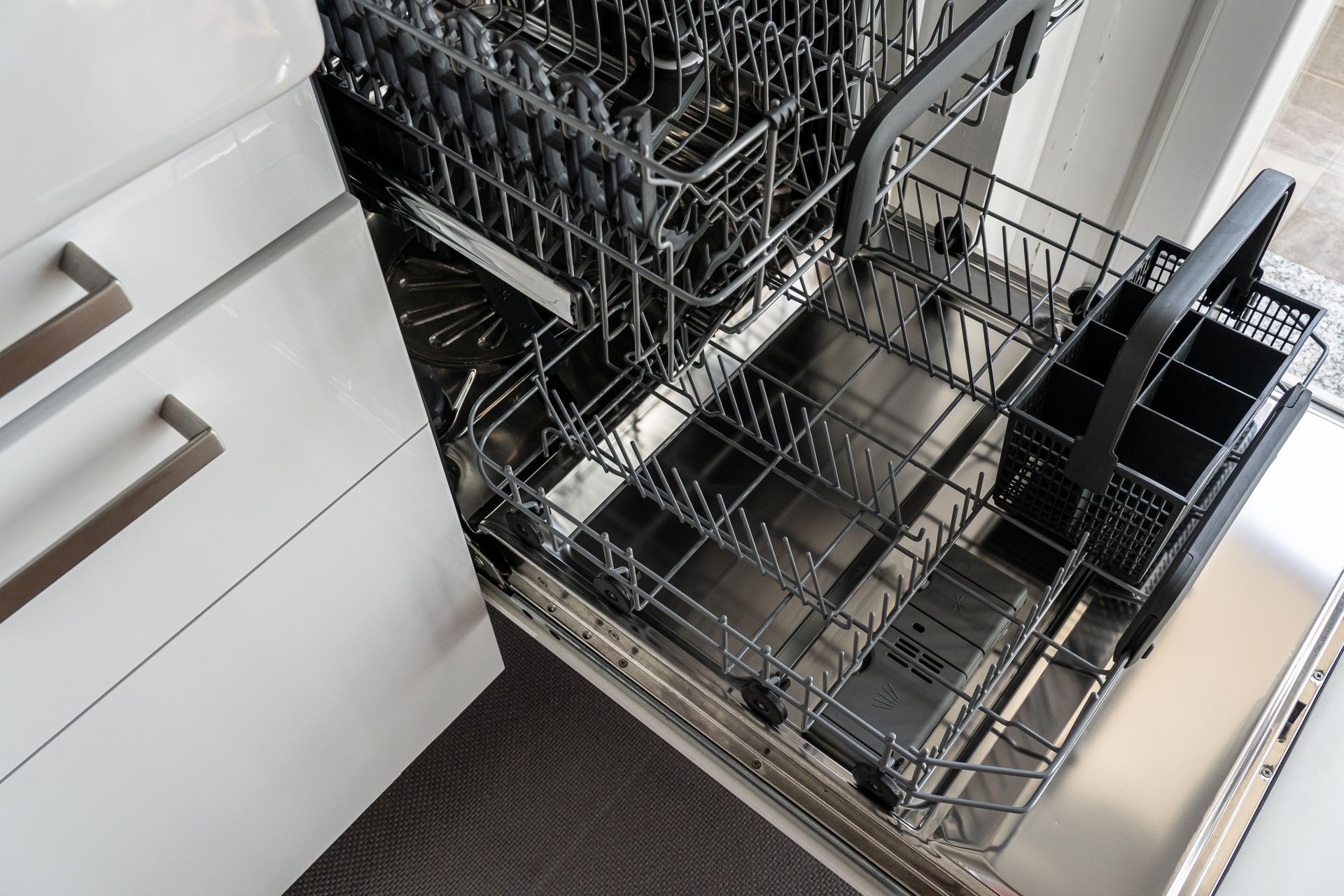
If the unit simply fails to drain or stop mid-cycle, that’s not a pressing issue. Tenants still have access to the sink, making this a standard repair that easily waits until morning.
Instruct your tenant to leave the appliance door slightly open to prevent mold and avoid running it again. You can then contact an appliance repair specialist the next business day to diagnose the issue. They will check the drain hose, clean the filter, or replace a faulty pump to restore normal function.
A Jammed Garbage Disposal:
When a garbage disposal suddenly hums but the blades refuse to spin, tenants often assume the entire unit is broken. In reality, it is usually just jammed with a hard food item or a stray utensil. This is a localized plumbing issue that causes no property damage and presents absolutely no danger.
Guide your tenant to locate the small reset button on the bottom of the unit and press it. If that fails, they can use the provided hex key to manually turn the motor shaft from underneath the sink. If the object remains lodged, a standard plumber can safely remove it later.
Minor Cosmetic Damage:
Small holes in drywall, scraped baseboards, or chipped paint are normal signs of daily living that tenants sometimes report with unnecessary panic.
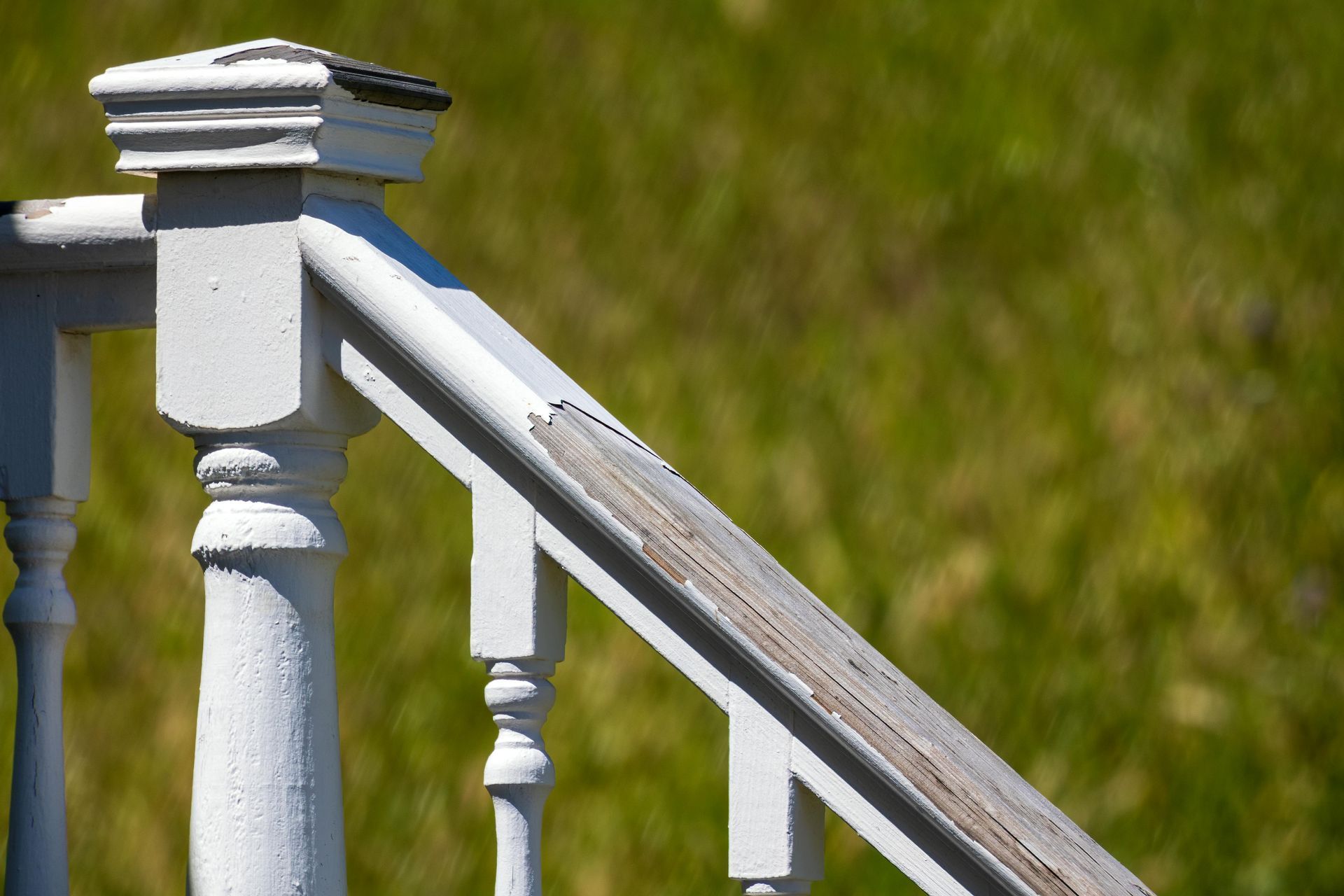
In the Charlotte rental market, these blemishes do not impact the habitability, security, or functionality of the home in any way. They are purely aesthetic flaws that will not worsen overnight, and are usually preventable.
Reassure the tenant that the issue is noted and will be handled during standard business hours. You can schedule a handyman to patch the drywall, apply spackle, and match the paint perfectly. Taking a few photos first ensures you have accurate records before the cosmetic repairs are completed efficiently.
The Bottom Line
Handling maintenance emergencies after hours does not have to fall on your shoulders. At Dawson Property Management, we take over those stressful late-night tenant calls, expertly coordinating with trusted local contractors to protect your valuable real estate investments.
You deserve to sleep soundly knowing your properties and residents are in capable hands. Reach out to our dedicated team today to discuss your options and discover the management plan that is right for you.
Frequently Asked Questions About Maintenance and Emergency Repairs
How Can Landlords Budget For Emergency Property Repairs?
Emergency repairs can be difficult to predict, so owners may benefit from treating maintenance as an ongoing operating expense rather than budgeting only for scheduled work.
Consider reviewing the property's age, major systems, previous repair history, and condition when determining an appropriate reserve. Separate funds for routine maintenance and larger unexpected repairs can also make cash flow easier to manage. Actual costs vary significantly by property and repair, particularly when after-hours labor or extensive damage is involved, so owners should avoid relying on a single fixed emergency-repair estimate.
What Steps Should Landlords Take When A Maintenance Emergency Is Reported?
Start by determining whether the issue involves an immediate threat to safety, significant property damage, or a critical building system. Ask for clear information about what happened and, when safe, request photos or video that can help a professional assess the situation.
Give the occupant only basic safety instructions that do not require technical repairs, then contact the appropriate qualified vendor when necessary. Keep a written record of the report, communications, vendor response, diagnosis, and completed work so the incident can be reviewed later.
What Should North Carolina Landlords Know About Emergency Repairs?
North Carolina law generally requires landlords to keep rental premises fit and habitable and to maintain certain supplied systems and appliances in good and safe working order. State law also addresses the need to repair or remedy certain imminently dangerous conditions within a reasonable period based on the severity of the condition.
Because obligations can depend on the circumstances, property owners should review the applicable statutes, local requirements, lease provisions, and facts of the situation rather than assuming every maintenance issue has the same legal standard. Owners with specific legal concerns should consult a qualified North Carolina attorney.
How Can Landlords Prevent Expensive Emergency Repairs?
Preventive maintenance starts with identifying conditions that could become larger problems and addressing them before they create significant damage. Owners can review recurring repair requests, monitor the condition of plumbing, electrical, HVAC, and other major systems, and address small warning signs instead of continually postponing them.
Keeping maintenance records can also reveal patterns that warrant further investigation. The right preventive approach depends on the property's age, construction, systems, and history, so owners may benefit from discussing recurring issues with qualified contractors or their property manager.
What Maintenance Records Should Rental Property Owners Keep?
Owners should maintain organized records showing when a maintenance issue was reported, what condition was described, how the issue was evaluated, which vendor performed the work, what repairs were completed, and the associated costs.
Photos, invoices, inspection notes, estimates, and relevant communications can provide useful documentation as well. Consistent records can help owners identify recurring problems, evaluate maintenance spending, and demonstrate how issues were handled.
The appropriate records and retention practices can vary depending on the property, lease, tax requirements, and applicable law, so owners should confirm any specific recordkeeping obligations with qualified professionals.
How Can A Property Manager Help With Maintenance And Emergency Repairs?
A property manager can take on many of the coordination tasks that otherwise fall to an individual owner, including receiving maintenance requests, determining the appropriate response, coordinating vendors, and following up on repairs.
Dawson Property Management provides property maintenance services, conducts regular property inspections, addresses maintenance requests, and responds to emergency maintenance inquiries. Our website also describes contractor relationships and management services for individual and multifamily properties in the Charlotte, North Carolina area.
Share this post