
Rental Income Tips: Strategies for Accidental Landlords
Key Takeaways
- Accidental landlords can stabilize and grow rental income by shifting their mindset from short-term ownership to structured income planning and treating the property like a business.
- Accurate rent pricing, realistic cash flow analysis, and strong financial reserves are essential for protecting profitability and avoiding common income disruptions.
- Long-term success depends on professional practices such as preventive maintenance, thorough tenant screening, strong lease agreements, and, when appropriate, partnering with a property management company.
Most people do not become landlords through deliberate investment planning. Sometimes, they unexpectedly enter rental ownership due to changes in family circumstances, inheritance, job creation, or an inability to sell a property in a shifting market.
These accidental landlords find themselves managing rental properties without long-term strategies, knowledge, or systems usually associated with professional property investors.
Even though unplanned rental property ownership has challenges, it also offers opportunities. Accidental landlords can generate reliable rental income, stabilize operations, and protect their assets if they use the right approach.
In this article by
Dawson Property Management, we will outline practical strategies to help accidental landlords manage risk, improve financial performance, and transition from reactive management to proactive real estate professionals.
Understanding the Accidental Landlord Scenario
When considering mindset and preparation, accidental landlords and traditional investors differ significantly. Accidental landlords may lack familiarity with rental regulations, own a single property, or underestimate the operational demands of rental properties. They usually consider rental income as a temporary solution instead of a long-term strategy.
Inconsistent cash flow, tenant-related challenges, inadequate reserves, and pricing errors usually result from a lack of planning. To develop an effective income strategy, it is essential to recognize this starting point.
Rental Income Tips
1. Shift From Temporary Thinking to Income Planning
Reframing the rental property as an income-producing asset instead of a short-term placeholder is one of the most significant adjustments that accidental landlords can make. Income planning improves short-term outcomes even if the intention is to sell the property in the future.

To achieve these shifts, accidental landlords should objectively evaluate their property’s financial performance, set income goals, and identify areas for improvement. You can achieve clarity and structure by treating the rental as a business (regardless of scale).
2. Establish Accurate Rental Pricing
Accurate pricing is the beginning of rental income. When setting rents, most accidental landlords depend on emotional attachments or assumptions. This usually leads to extended vacancies or underpricing.
To ensure effective pricing, accidental landlords can use the following strategies:
- Evaluate vacancy rate and absorption trends
- Review similar rentals in the same neighborhood
- Adjust for seasonal demands
- Account for amenities and property condition
You can reduce turnover risk and balance income optimization with competitiveness through accurate pricing.
3. Understand True Cash Flow
Profit is not equal to gross rent. Accidental landlords are often surprised by cash flow because they underestimated operating costs.
To be realistic with cash flow analysis, you should account for the following:
- Management or administrative cost
- Property taxes
- Insurance
- Mortgage payments
- Vacancy allowances
- Capital expenditure reserves
Accidental landlords can ensure better financial planning and prevent reliance on unsustainable rental income by understanding net income.
4. Create a Maintenance and Repair Strategy
One of the largest and most unpredictable expenses in rental property management is maintenance. Income can quickly be disrupted due to escalating costs if there is no maintenance plan.
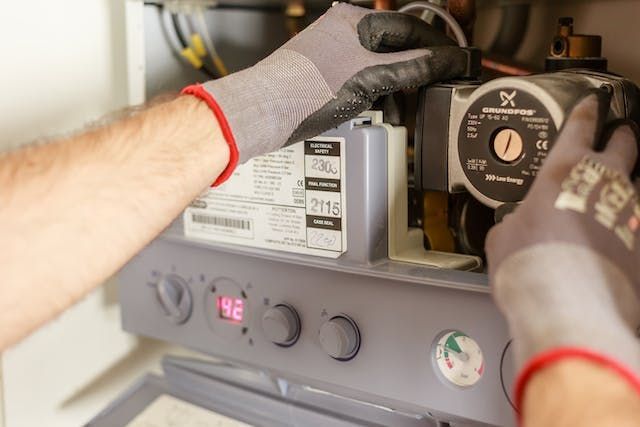
To prevent these, accidental landlords should:
- Perform an initial assessment of the property’s condition
- Make preventive maintenance a top priority
- Establish relationships with reliable contractors
- Budget for recurring replacement and repairs
You can stabilize income by reducing long-term expenses and ensuring tenant satisfaction through preventive maintenance.
5. Build a Financial Reserve
In rental ownership, unexpected expenses are inevitable. Accidental landlords may be forced to use their personal savings to cover costs or delay necessary repairs if they do not have reserves.
We advise that accidental landlords ensure prudent reserves by using the strategies below:
- Save several months of operating expenses
- Keep funds for major repairs, such as roofing or HVAC
- Ensure vacancy coverage during turnover periods
- Having reserves will reduce financial stress and protect rental income from volatility
6. Tenant Selection and Income Stability
The reliability of rental income depends heavily on tenant quality. Most accidental landlords rush to replace tenants because of urgency. Such a strategy increases the risk of early turnover or late payments.
Accidental landlords are advised to have a structured screening process that will evaluate: rental history, income verification, creditworthiness, and compliance with legal screening standards. Well-qualified tenants are usually high-quality tenants that will consistently pay rent, care for the property, and renew their leases.
7. Lease Structure and Income Protection
You need a good lease agreement to protect your rental income. Poorly drafted or generic leases often fail to address common issues that can impact cash flow.

Ensure that you consider the following in your lease agreement:
- Rules about property use and occupancy
- Clearly defined maintenance responsibilities
- Rent due dates and late fee policies
- Renewal and termination terms
When the lease is well-structured, it supports predictable income and reduces disputes.
8. Tax Awareness and Income Optimization
There are some tax implications of rental income that accidental landlords may overlook. Although rental income is taxable, you can reduce your overall liability by deducting several expenses.
Some common items that are deductible include depreciation, management fees, property taxes, mortgage interest, repairs, and maintenance. Understanding these deductions will boost net income and prevent compliance issues. It is advisable to consult tax professionals when handling tax deductions.
9. Evaluating Self-Management Versus Professional Management
Most accidental landlords initially plan to save costs by managing the rental property themselves. Although this may work in the short term, it usually becomes a burden over time.
Partnering with a professional property management company will:
- Provide accurate financial reporting
- Handle maintenance coordination
- Consistently enforce lease terms
- Reduce vacancy periods
- Improve tenant screening
Although gross income may be reduced by management fees, the net performance will be improved because errors and inefficiencies are reduced.
Final Thoughts
Most accidental landlords enter rental ownership without proper planning, but they are not destined for poor outcomes. Rental properties can become stable and profitable assets if you ensure disciplined financial management, thoughtful planning, and a shift towards structured income strategies.
Accidental landlords can transform unexpected responsibilities into reliable sources of income by focusing on long-term planning, expense control, accurate pricing, and high-quality tenants.
Adopting professional approaches and partnering with a property management company like
Dawson Property Management will ensure that rental income supports financial goals instead of undermining them, whether the ownership will be temporary or evolve into long-term strategies.
Share this post